
The Simulacrum
Explores how we can build our own reality.
The idea of the image is also evolving beyond its traditional limits. In post-photographic simulation, photography no longer captures reality but constructs it. This shift reflects the concept of simulacrum, where images do not represent something real but become realities of their own. Instead of documenting the world, we can now generate it—building scenes, objects, and moments that never existed physically. This challenges the role of photography as evidence and invites us to question what an image truly represents.
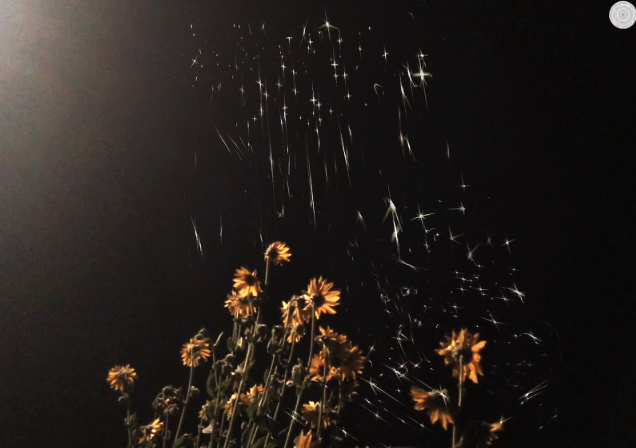
Will Pappenheimer
Pulsar Bodies, 2015
Still from on site iPad screenshot video documentation of GPS based augmented reality
The flowers appear natural at first, but the glowing particles make the scene feel digitally constructed. The image exists between photography and simulation, creating a reality that feels believable even if it may never have existed physically.
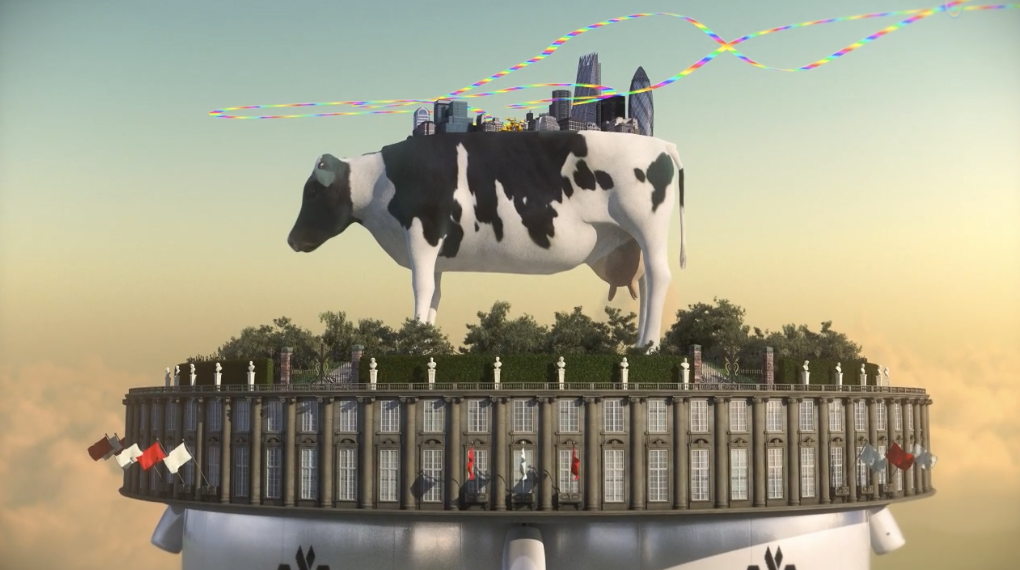
Jonathan Monaghan
Mothership, 2013
The video creates a world that feels familiar through references to games, architecture, and luxury culture, yet everything is artificially generated. Instead of showing reality, it builds a hyperreal environment where digital symbols become more powerful than the real objects they imitate.
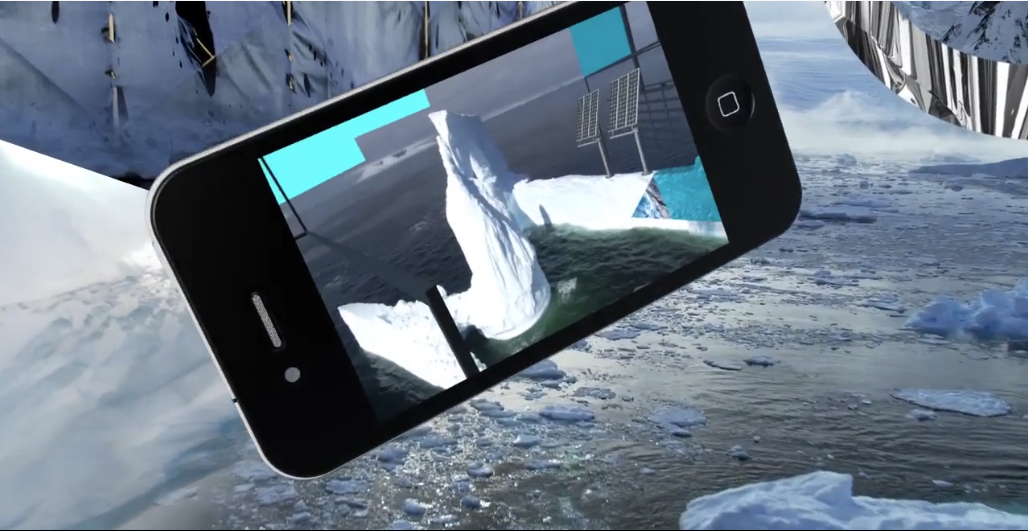
The video creates a space that feels real through movement, texture, and atmosphere, but everything appears digitally constructed. It does not document reality; instead, it builds a new one. This creates a simulacrum where the artificial world becomes believable enough to replace the real.
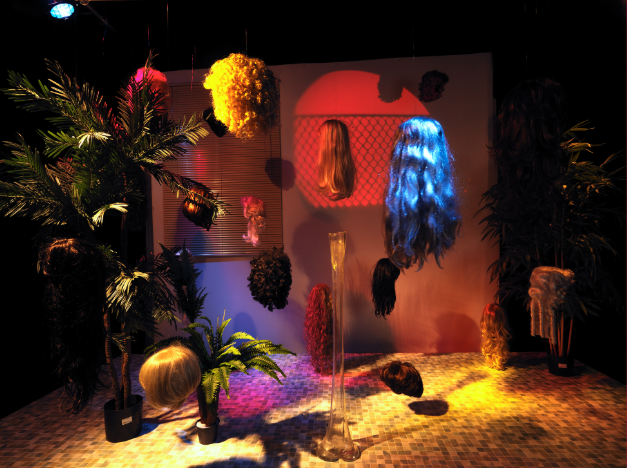
The space looks real, but everything inside feels staged and artificial. The wigs imitate human identity while the plants imitate nature, creating a world built from copies instead of originals. It becomes a simulacrum where the scene does not represent reality, but creates its own version of it.